Business Automation
Bring Innovation to Your Business
Check out our premium products an services
Case Studies
1. Business Process Automation System
Client Background
A service-based company with multiple operational activities was handling its daily processes manually. Tasks such as lead assignments, internal task coordination, follow-ups, reporting, and operational tracking were managed through phone calls, spreadsheets, and manual communication between team members. As the company expanded, these manual processes started causing delays and inefficiencies in day-to-day operations.
Client Challenge
Manual Task Coordination
Most operational tasks were assigned verbally or through messaging apps, which often resulted in missed instructions or delayed execution.
Lack of Workflow Structure
There was no defined workflow for handling leads, customer requests, or internal project tasks, creating confusion among employees.
Poor Process Visibility
Management had limited visibility into ongoing tasks, employee responsibilities, and project progress.
Delayed Decision-Making
Because operational data was scattered across different tools and records, it was difficult to access real-time information for quick decision-making.
Operational Inefficiency
Employees spent significant time on repetitive administrative tasks instead of focusing on high-value activities.
Our Solution
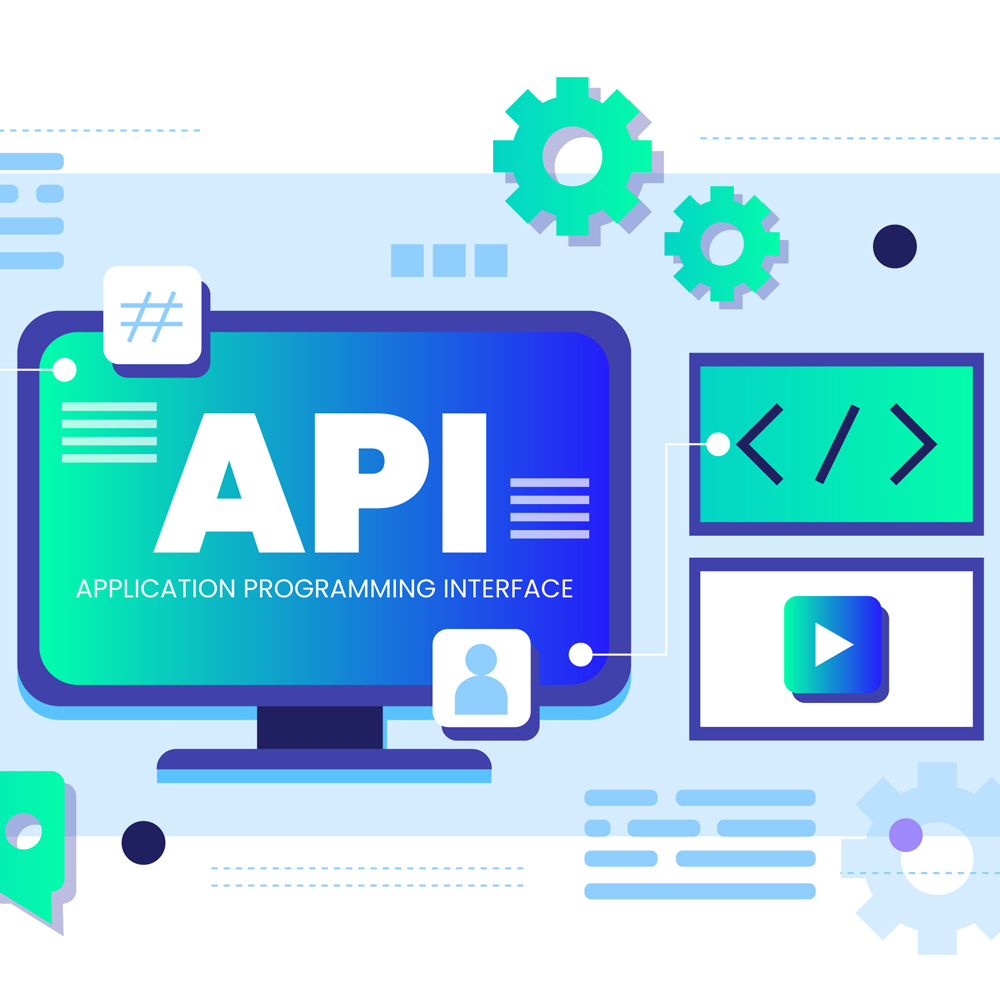
To address these challenges, we implemented a Business Automation System designed to connect different operational processes and automate routine activities.
Workflow Automation
Structured workflows were created to automatically trigger tasks based on specific events, ensuring smooth process flow across departments.
Centralized Task Management
All tasks, assignments, and operational updates were managed within a single dashboard accessible to both management and team members.
Automated Notifications & Reminders
Employees received automatic notifications for task assignments, deadlines, and follow-up activities to ensure timely execution.
Integrated Data Management
Customer data, task records, operational updates, and reports were integrated into a centralized platform for easy access.
Real-Time Operational Dashboard
Management could monitor operational performance, track task progress, and review business activities in real time.
Implementation Process
Improved Process Efficiency
Automation significantly reduced manual coordination between teams and streamlined operational activities.
Better Task Accountability
Each task was assigned to specific team members with clear deadlines and status tracking.
Real-Time Operational Visibility
Management gained a clear overview of ongoing operations, project progress, and employee performance.
Reduced Administrative Workload
Employees spent less time on repetitive tasks and more time focusing on productive business activities.
Faster Business Operations
Automated workflows improved the speed and reliability of internal processes.
Result Achieved
Improved Lead Organization
All customer inquiries were now stored in a centralized system that the entire team could access.
Higher Follow-Up Efficiency
Automated reminders ensured that leads were contacted on time, improving the response rate.
Better Sales Visibility
Management gained real-time insights into sales performance and lead conversion metrics.
Increased Conversion Opportunities
With structured follow-ups and lead tracking, the business was able to convert more inquiries into paying customers.
Enhanced Team Productivity
Sales representatives spent less time organizing data and more time focusing on customer interactions.
Key Business Impact
The business automation system transformed the company’s operations by replacing manual coordination with structured, automated workflows, allowing the organization to operate more efficiently, improve team productivity, and maintain better control over daily business activities.



2. WhatsApp API Integration for Customer Communication
Client Background
A service-oriented business was receiving a large number of customer inquiries through WhatsApp, phone calls, and website forms. Since WhatsApp was the primary communication channel for customers, the team relied heavily on manual messaging to respond to inquiries, send updates, and follow up with clients.
As the number of inquiries increased, managing conversations and responding to customers in a timely manner became difficult.
Client Challenge
Delayed Customer Responses
The team could not respond instantly to every inquiry, which caused delays in customer communication.
Unorganized Conversations
Customer chats were handled from different employee phones, making it difficult to track conversations or maintain records.
Missed Follow-Ups
Many potential customers were not followed up properly due to the absence of a structured messaging system.
Limited Communication Automation
Every message had to be typed and sent manually, which consumed a lot of staff time.
Lack of Customer Interaction Tracking
The business had no clear visibility into customer communication history or message status.
Our Solution
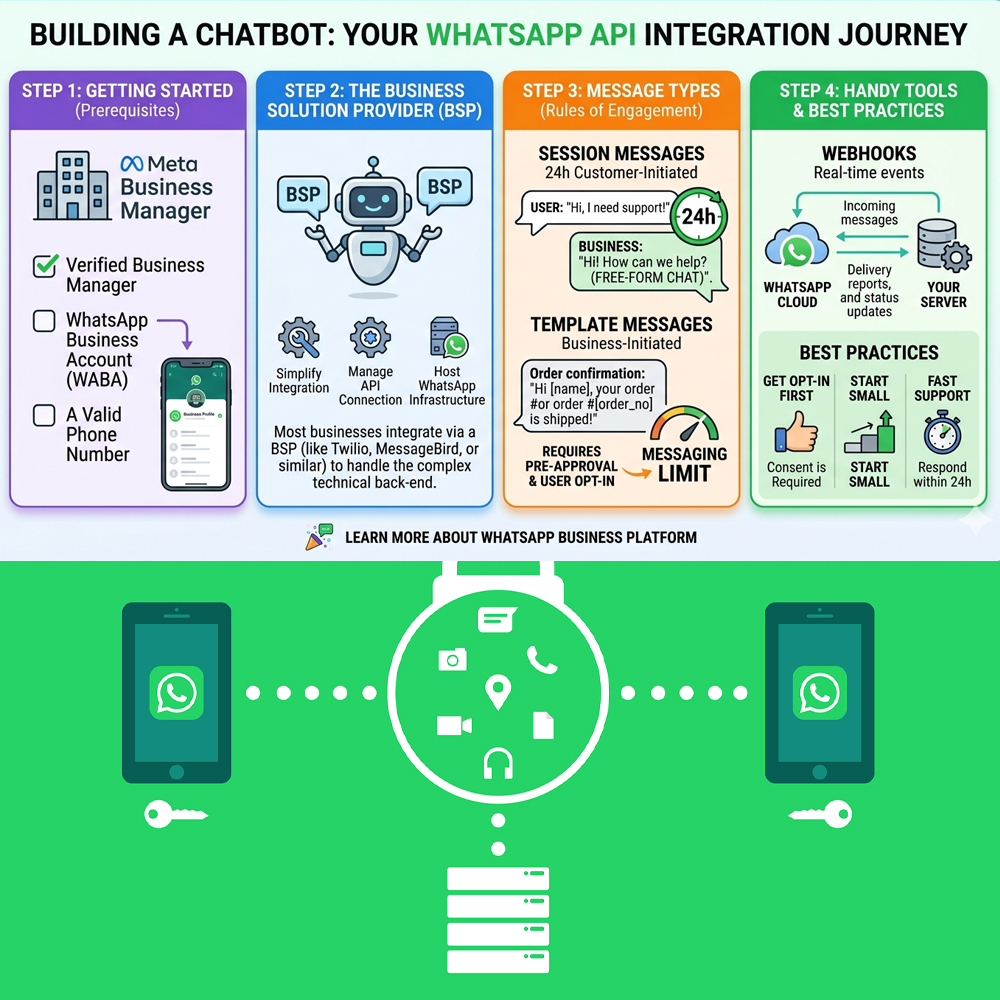
We implemented a WhatsApp API integration system that connected the company’s communication workflow with their internal business systems.
Centralized WhatsApp Messaging Platform
All customer conversations were managed through a single dashboard instead of multiple individual mobile devices.
Automated Customer Responses
Predefined automated messages were configured to instantly respond to customer inquiries received through WhatsApp.
Lead Capture & CRM Integration
Customer inquiries received on WhatsApp were automatically recorded and stored in the CRM system for further follow-ups.
Automated Notifications & Updates
Customers received automatic updates regarding inquiries, appointments, service confirmations, and payment notifications.
Conversation Tracking System
All communication history with customers was stored and accessible to the team for better customer management.
Implementation Process
Step 1 – Communication Workflow Analysis
We analyzed how the client currently handled WhatsApp conversations and identified communication bottlenecks.
Step 2 – WhatsApp API Setup
A WhatsApp Business API was configured and connected to the company’s internal communication system.
Step 3 – Automation Rule Creation
Automated responses and notification triggers were set up for common customer interactions.
Step 4 – CRM Integration
WhatsApp communication was integrated with the CRM system to automatically capture customer data.
Step 5 – Team Training & Deployment
The client’s team was trained to manage WhatsApp conversations through the centralized dashboard.
Result Achieved
Faster Customer Response Time
Automated responses ensured that customers received immediate acknowledgments for their inquiries.
Better Conversation Management
All customer messages were organized within a centralized platform.
Improved Lead Tracking
Customer inquiries received via WhatsApp were automatically recorded as leads in the CRM system.
Reduced Manual Messaging Workload
Automated messaging significantly reduced the time employees spent responding to routine inquiries.
Enhanced Customer Experience
Customers received faster updates, confirmations, and service-related information through WhatsApp.
Key Business Impact
The WhatsApp API integration transformed the company’s customer communication process by turning WhatsApp from a simple messaging tool into a structured customer engagement system, enabling faster responses, better lead management, and more efficient communication workflows.