Performance Marketing
Bring Innovation to Your Business
Check out our premium products and services
Case Studies
1. Business Website Development
Client Background
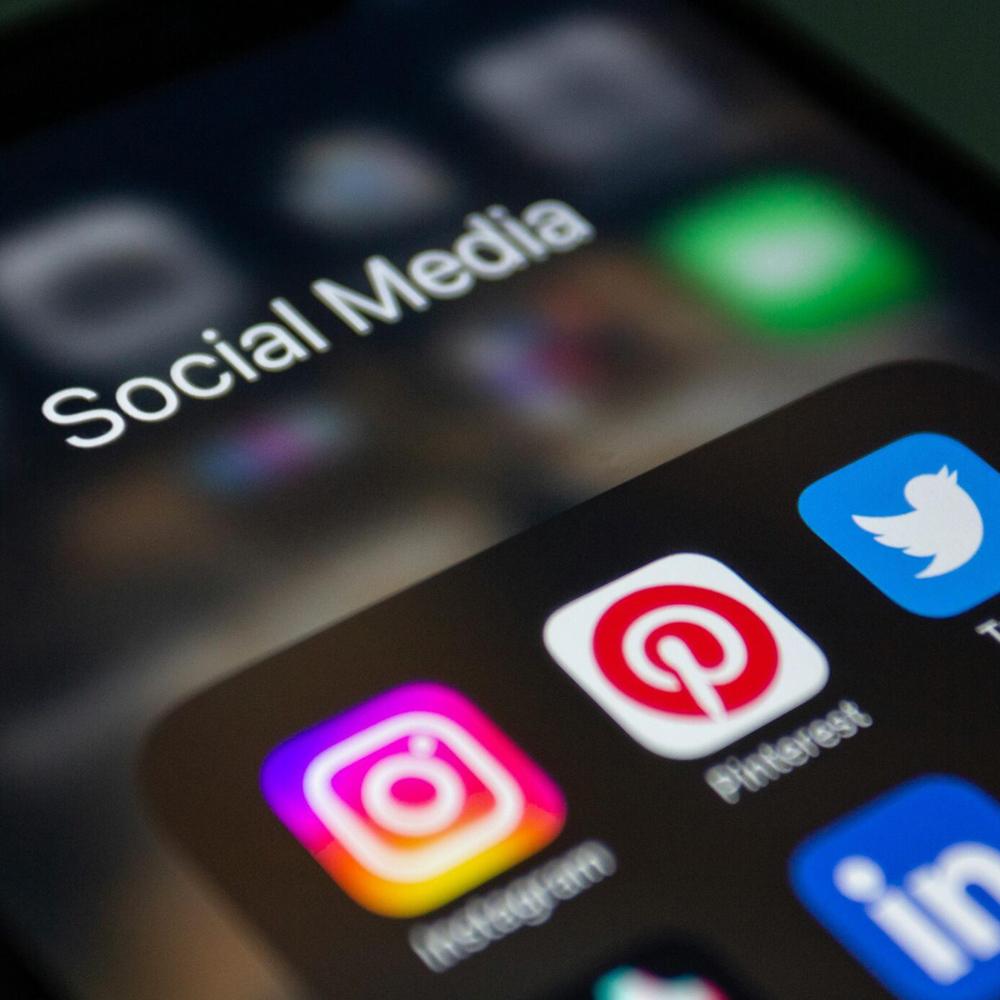
A small business was actively using social media platforms such as Facebook and Instagram to promote its services. However, the company struggled to maintain consistent posting, professional visual quality, and a structured social media strategy.
Most posts were created randomly without a clear plan, which affected the brand’s online presence and engagement with potential customers.
Client Challenge
Inconsistent Social Media Content
The business did not have a structured content plan, resulting in irregular posting and reduced audience engagement.
Lack of Professional Design
Most posts were simple text or basic images, which did not create a strong brand identity.
Time-Consuming Content Creation
Creating new graphics and promotional posts for every update required significant time and effort.
Weak Brand Consistency
Different posts had inconsistent styles, colors, and messaging, making the brand look unorganized.
Our Solution
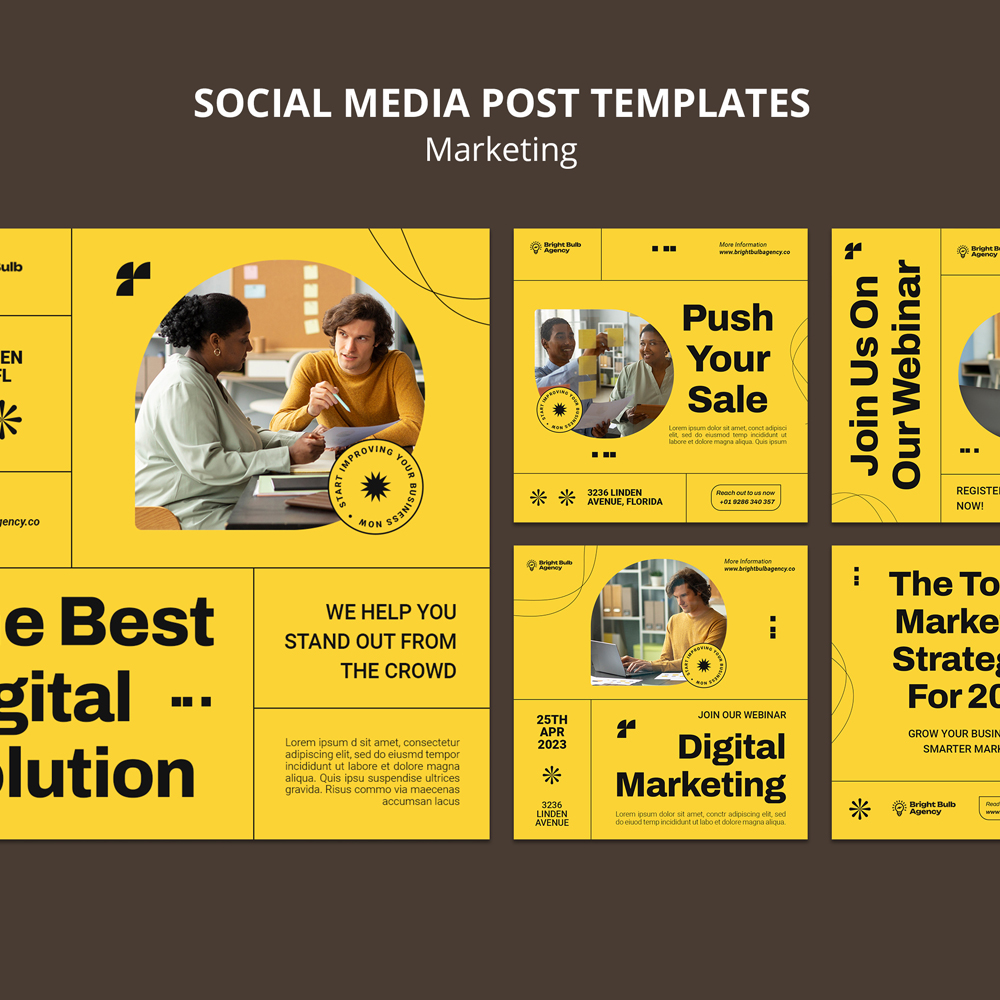
We provided a Social Media Toolkit designed to help the business maintain a consistent and professional social media presence.
Ready-to-Use Content Templates
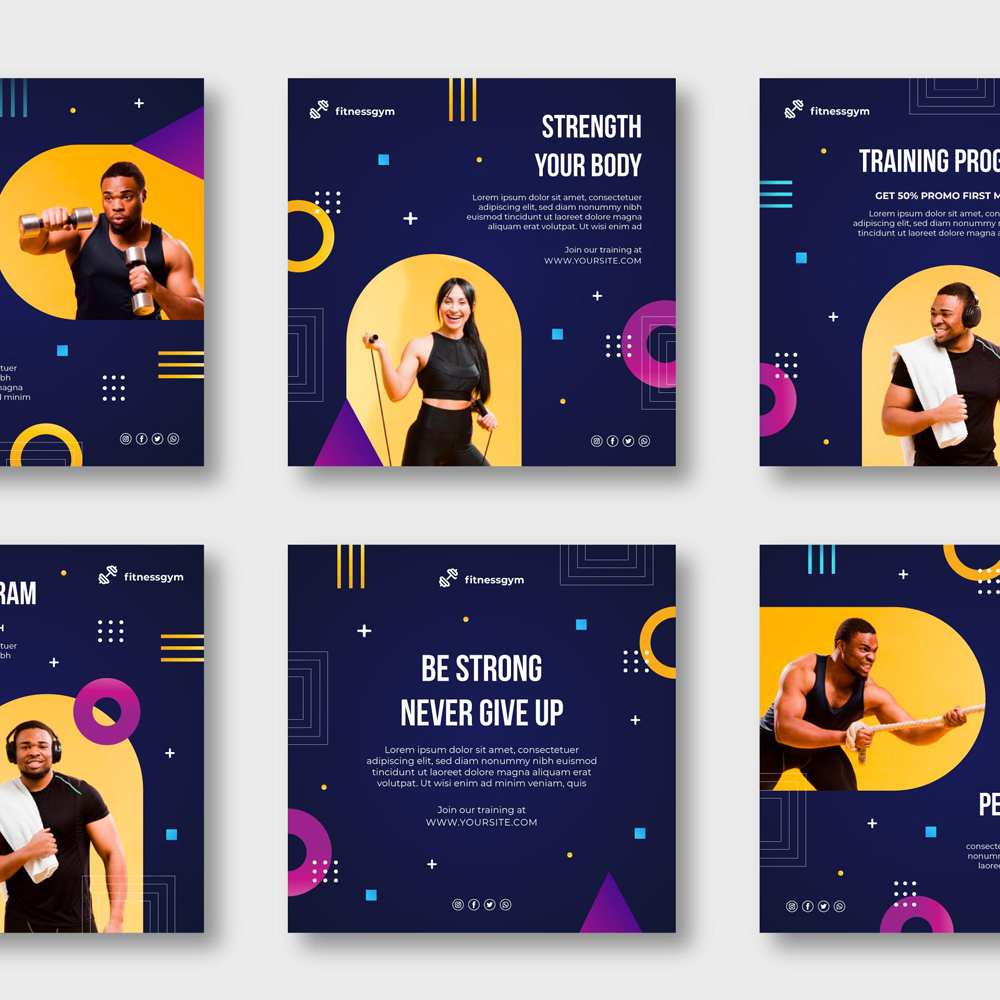
Custom-designed templates were created for posts, promotional graphics, announcements, and service highlights.
Structured Content Calendar
A content plan was developed to help the business schedule regular posts and maintain consistent engagement.
Brand-Aligned Design Elements
Templates were designed using the company’s brand colors, fonts, and visual style to ensure brand consistency.
Editable Content Assets
The client received easy-to-edit templates that could be quickly customized for different campaigns and updates.
Implementation Process
Step 1 – Brand Analysis
We studied the client’s brand identity, target audience, and social media objectives.
Step 2 – Content Strategy Planning
A structured content approach was designed including promotional posts, informative content, and engagement-focused posts.
Step 3 – Toolkit Development
A collection of professionally designed social media templates was created for different types of posts.
Step 4 – Client Training
The client was guided on how to use the templates and maintain a consistent posting schedule.
Result Achieved
Improved Social Media Consistency
The business started posting regularly using structured content templates.
Stronger Brand Identity
Consistent colors, layouts, and messaging improved the brand’s professional appearance.
Faster Content Creation
The ready-to-use templates significantly reduced the time required to create new posts.
Better Audience Engagement
Visually appealing and structured content helped improve interaction with followers.
Key Business Impact
The Social Media Toolkit helped the business transform its social media presence from unstructured posting into a consistent, brand-focused content strategy, allowing the company to maintain professional communication with its audience while saving time on content creation.
2. Branding & Creative Identity Development
Client Background
A newly launched service-based business wanted to establish a strong brand identity before entering the market. Although the company had clear business objectives and service offerings, it lacked a professional brand image that could effectively communicate its value to potential customers.
Client Challenge
No Defined Brand Identity
The business did not have a consistent logo, color scheme, or visual style to represent its brand.
Weak Market Differentiation
Without a clear brand identity, the company struggled to stand out from competitors in the same industry.
Inconsistent Marketing Materials
Different marketing materials used varied designs and messaging, which reduced brand recognition.
Limited Brand Recall
Potential customers could not easily identify or remember the brand due to the lack of a strong visual identity.
Our Solution
We provided a complete branding and creative design solution to establish a consistent and professional brand presence.
Brand Identity Design
A unique logo, color palette, typography style, and visual elements were developed to represent the company’s brand.
Brand Guidelines Creation
A structured brand guideline was created to ensure consistent use of colors, fonts, and design elements across all platforms.
Marketing Asset Design
Creative assets such as business cards, social media graphics, promotional banners, and marketing visuals were designed.
Visual Communication Strategy
Design elements were aligned with the company’s brand message to create a clear and recognizable identity.
Implementation Process
Step 1 – Brand Discovery
We analyzed the company’s industry, target audience, and brand positioning goals.
Step 2 – Creative Concept Development
Multiple branding concepts were designed to explore different visual directions for the brand.
Step 3 – Final Brand Identity Design
A refined logo, color scheme, and typography style were finalized based on the client’s preferences and market positioning.
Step 4 – Marketing Material Development
Creative assets were developed to support the brand across digital and offline platforms.
Result Achieved
Professional Brand Image
The business gained a visually strong and professional identity that improved its market presence.
Consistent Brand Communication
All marketing materials followed a unified design system, strengthening brand recognition.
Improved Customer Trust
A professional brand identity enhanced credibility and made the business appear more established.
Stronger Market Positioning
The brand stood out more clearly among competitors due to its unique visual identity.
Key Business Impact
The branding and creativity solution helped the business build a strong, consistent, and recognizable brand identity, enabling it to present itself professionally across digital platforms and marketing channels while improving overall brand visibility and customer trust.